



Each year, the H‑1B lottery plays a critical role in helping U.S. employers access global talent. With several important updates coming in 2026, understanding how the process works (and what’s changing) is more important than ever.
To help employers and stakeholders prepare, Populus Group recently hosted an educational webinar led by our Foreign National Talent Management team. The session walked through H‑1B lottery fundamentals, highlighted what’s new for 2026, and outlined how employers can best support their consultants throughout the process.
Below is a recap of the most important takeaways.
H‑1B Lottery Basics: A Quick Refresher
The H‑1B visa program allows U.S. companies to employ foreign professionals in specialty occupations. Because demand consistently exceeds supply, U.S. Citizenship and Immigration Services (USCIS) uses a lottery system to determine which registrations may proceed.
Each year, 85,000 H‑1B visas are available:
- 20,000 reserved for individuals with a U.S. master’s degree or higher
- 65,000 for all other qualifying applicants with at least a bachelor’s degree
Once registrations are submitted, USCIS conducts a randomized selection. Candidates who are selected may then move forward with filing an H‑1B petition.
What’s Changing for the 2026 H‑1B Lottery
One of the most significant updates for 2026 is the introduction of a weighted lottery system tied to prevailing wage levels.
Prevailing wage is determined by:
- Job role and responsibilities
- Work location
- Required experience level
Wages are categorized into four levels. Historically, each candidate received one lottery entry (with an additional opportunity through the master’s cap, if applicable). In 2026, the number of lottery entries a candidate receives will correspond to their wage level. For example:
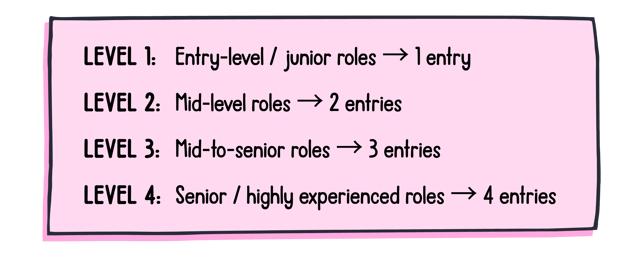 The intent behind this change is to prioritize higher‑skilled, higher‑paid roles—while still maintaining the randomness of the lottery process. Importantly, candidates must be paid at least the Level 1 prevailing wage to be eligible at all.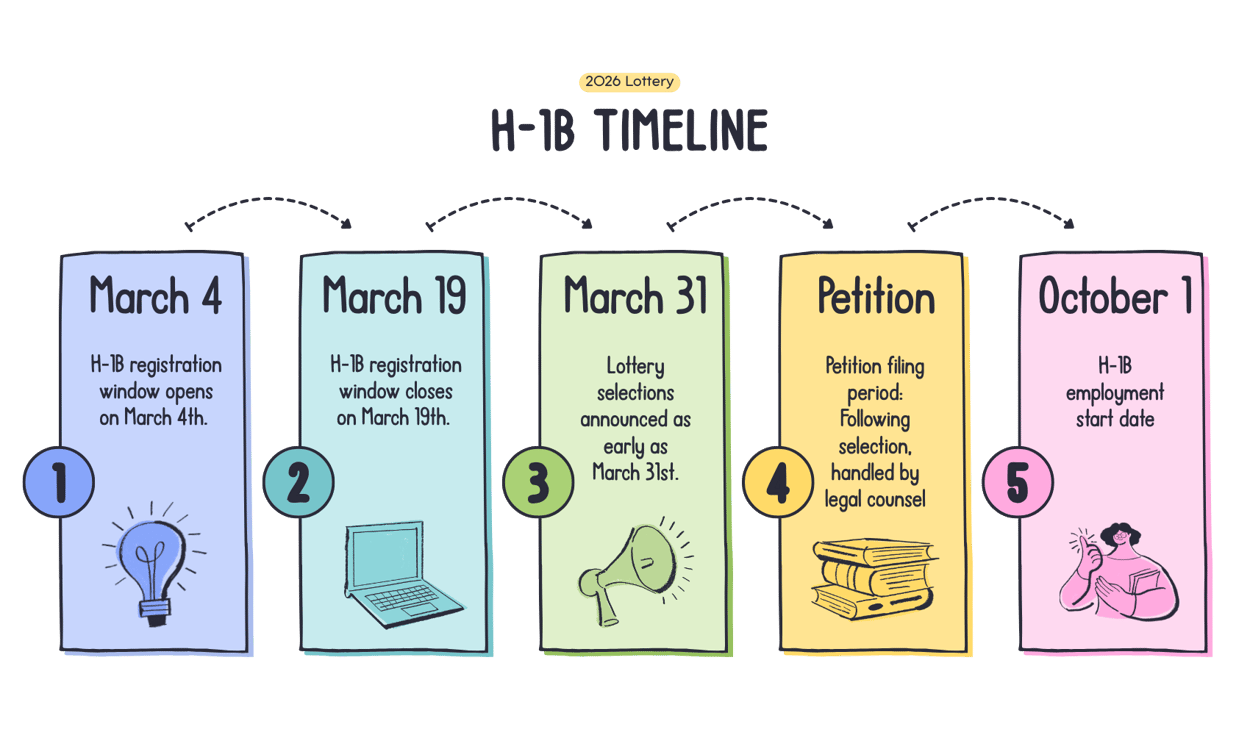
What Happens If a Candidate Is Not Selected?
Not being selected doesn’t necessarily mean the end of the road.
- If the individual has existing work authorization, they may continue working as normal.
- They may be eligible to re‑enter the lottery in a future year.
- For candidates nearing the end of their work authorization, early planning is essential. Exploring alternative visa options or contingency strategies ahead of time can help avoid disruption.
The key message: don’t wait until lottery results are released to start planning.
Why Some Candidates Ask About Wage Level Increases
With the new weighted system, some consultants may ask about moving from one wage level to another to increase their odds. While higher wage levels technically provide more lottery entries, the overall odds remain competitive due to the sheer volume of registrations nationwide.
Decisions around wage increases should be evaluated case by case, considering:
- Budget alignment
- Role responsibilities
- Long‑term workforce planning
A higher wage may improve odds slightly, but it does not guarantee selection.
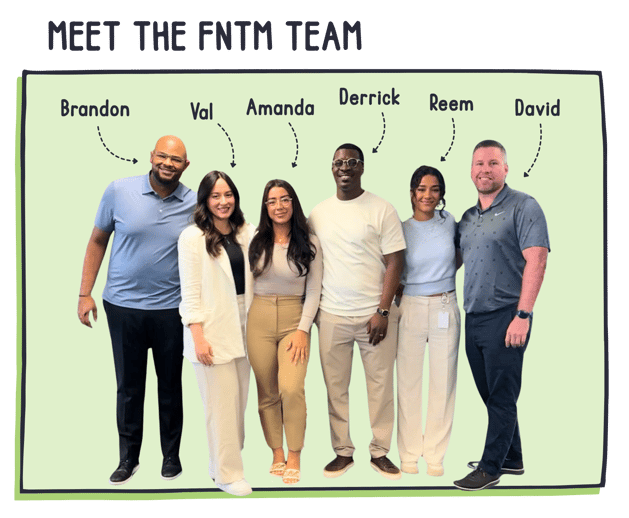
How Populus Group Supports the H‑1B Process
Throughout the webinar, our team emphasized a hands‑on, consultative approach, including:
- Reviewing and explaining prevailing wage determinations
- Partnering with in‑house immigration legal experts
- Supporting one‑on‑one conversations with consultants
- Helping employers plan proactively for both selection and non‑selection scenarios
The goal is to reduce uncertainty and ensure all parties clearly understand their options at every stage of the process.
The 2026 H‑1B lottery introduces meaningful changes that employers can’t afford to overlook. By understanding the new weighted system, key timelines, and planning considerations, organizations can better position themselves (and their talent) for success. To learn more about the lottery changes, check out the official USCIS release here!
Educational sessions like this webinar are just one way Populus Group continues to support employers navigating an increasingly complex immigration landscape. Reach out to us if you have further questions!

Leave a comment